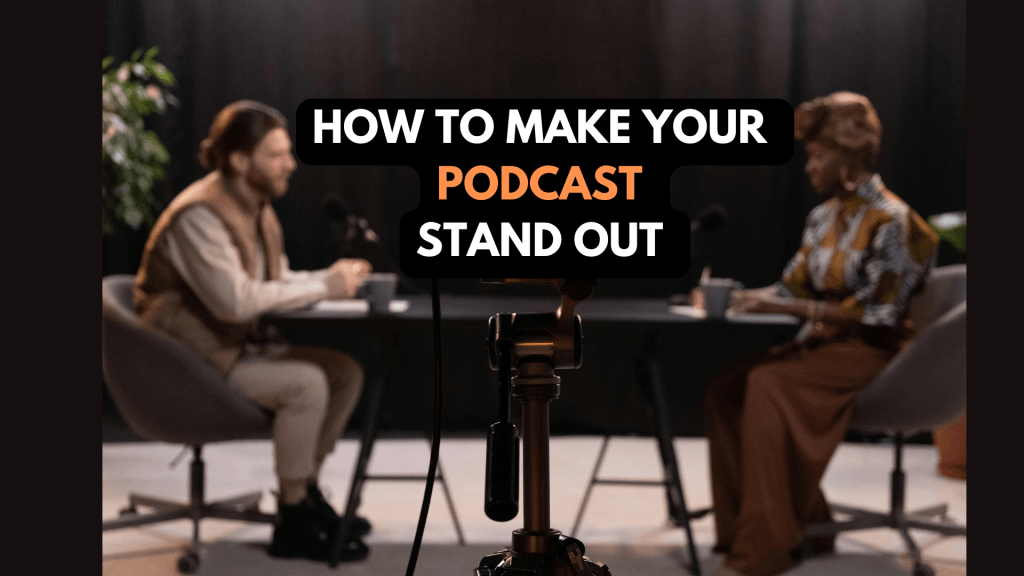
Organizations are fast jumping the podcast bandwagon, realizing its potency in their marketing arsenal. Since most people (particularly millennials) prefer podcasts, many organizations plan to (or already) conduct podcasts as a periodic, ongoing exercise.
One factor contributing to this shift is the way some humans are wired. As Peter Drucker posited in “Managing Oneself”, some people learn by listening. Of course, these people can learn by reading too, but listening comes more naturally to them.
But I think that’s not all.
The shift reflects the rise of passive consumption of information. People can pay sporadic attention to the podcast and still hope to catch something worthwhile.
Podcasts, by virtue of its format, allows itself to be on the backburner even as people are primarily occupied with another task. Whether at work or gym, during commute or walking, podcasts effortlessly renegade themselves to the background.
Contrast this with reading, which requires your unalloyed attention. It’s difficult to read and simultaneously engage in any other demanding activity.
Post-pandemic, the internet is overflowing with podcasts on a wide range of topics. Each topic brings hundreds or even thousands of hours worth of podcast conversations. (I wrote a newsletter urging consumers to take control of their information diet.)
So, how can you make your podcast stand out in an overcrowded market?
How to make your podcast stand out?
1. Bring new guests
Feature speakers who are not overexposed in the podcast ecosystem. Their views and arguments would be (relatively) novel. They bring something new to the table. Something that’s not already a cliche.
It would be better if you cultivate the skill to spot new stars on the horizon. That is, spotting upstarts who show promise of a ‘viral’ future.
Experts from your own organizations are a good bet too. But they will need some training. And, the overall effort will need preparation too.
So this will require some persuasion and efforts from your end. But, why take all pains to reach out to the public if your content is going to be generic?
2. Bring newness with overexposed guests
Will you let go an opportunity to host an influencer you’ve long admired? Obviously not.
But, the question remains: how will you extract something new from an overexposed guest?
By watching their previous podcasts. By making a conscious choice to not ask questions that have already been answered. By deliberating steering the conversation towards unexplored terrains. By finding a new prism to discover new insights on the same topics.
This will require thorough research. But, that’s how you can stand out when you interview an overexposed guest.
Issues with popular guests
While popular people bring more traffic to your podcast, they come with their own set of issues. No matter how much you prod them, they seldom stray from their core messaging. They’re experts in using the opportunity to build their personal brand while yielding generic content in return.
In short, there’s nothing in your podcast that has not been told in the umpteen other podcasts. New podcasters must be wary of turning their podcast into yet another generic conversation that adds no value to your company.
A round-up of a few podcasts
Film critic Baradwaj Rangan demonstrates how to bring newness even when your guests’ world is the overexposed film fraternity. He elicits new perspectives from the same people by nudging them in new and unexpected ways. By asking questions that provoke thought, not the person.
David Perell (“The Writing Guy”) achieves novelty by focusing on just one thing: writing. This micro-focus helps his podcast stand out even when he’s interviewing the same set of overexposed people.
Siddhartha from The Neon Show made a mark by focusing on startups. Yes, he has interviewed a few people outside the startup world too. But, his own positioning is largely around “venture capital, entrepreneurship, and the Indian economy.”
Amit Varma runs two podcasts: 1) The Seen and the Unseen. 2) Everything is Everything
In ‘The Seen and the Unseen’, he has been interviewing accomplished people with a focus on “politics, economics and behavioural science”. ‘Everything is Everything’ follows a different template. It hosts Varma and noted public policy expert Ajay Shah discussing a wide range of topics under the sun every week.
I have followed several productivity experts with interest. Notably, Ali Abdaal, Sahil Bloom, Dan Koe and the popular Tim Ferriss. Each of them brings new perspectives to the table. I have benefited from their take on key productivity issues and would heartily recommend them to you.
A year ago, I remember remarking to a friend that the current podcast arena is overcrowded. I opined it’s near impossible for a new star to appear on the horizon.
I’m happy to have gotten it wrong. For, I watched the meteoric rise of Dwarkesh Patel as the new purveyor of the AI terrain. How did he carve a niche in an overcrowded market?
In his words: “If I do an AI interview where I’m interviewing Demis [Hassabis], CEO of DeepMind, I’ll probably have read most of DeepMind’s papers from the last couple of years. I’ve literally talked to a dozen AI researchers in preparation for that interview — just weeks and weeks of teaching myself about [everything].”
If you’ve decided to take a plunge, remember: generic is your enemy. Find new terrains or find new ways to dissect the same terrain. Just don’t fill the space in the sea of sameness.
 Musings by Madhav
Leave a comment