Lately (and belatedly), I have realized podcasts are the new blogs. Most millennials prefer podcasts.
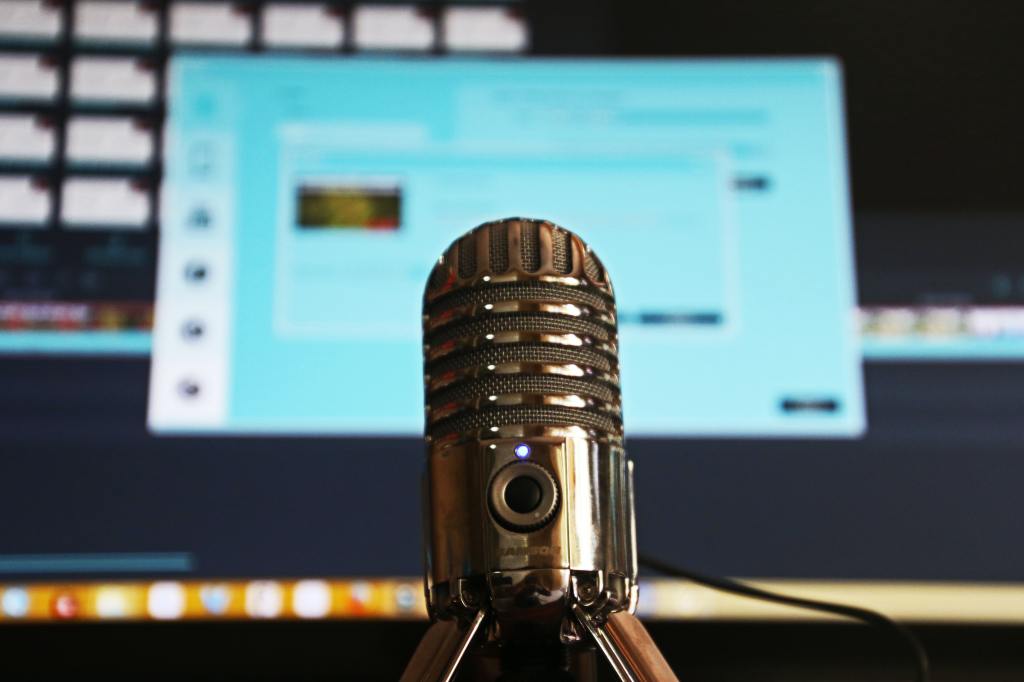
One factor contributing to this shift is the way some humans are wired. As Peter Drucker posited in “Managing Oneself”, some people learn by listening. Of course, these people can learn by reading, but listening comes more naturally to them.
But I think that’s not all.
The shift reflects the rise of passive consumption of information. People can pay sporadic attention to the podcast and still hope to catch something worthwhile.
Podcasts, by virtue of its format, allows itself to be on the backburner even as people are primarily occupied with another task. Whether at work or gym, during commute or walking, podcasts effortlessly renegade themselves to the background.
In contrast, reading demands your unalloyed attention. It’s difficult to read and simultaneously engage in any other demanding activity. By allowing us to pause and think, a text is less likely to allow dubious information a free pass. In contrast, the peripheral nature of podcasts makes us more susceptible to spurious suggestions.
Further, from the podcasts I have listened to, I would surmise that the substance of 60-90 minutes conversation could easily be wrapped in 1-2 pages. Should you doubt this, I invite you to transcribe any podcast and try to edit it for clarity and brevity.
Lately, I have increasingly come to believe that continuous consumption of information isn’t necessarily a virtue. We tend to default to this compulsive consumption because it’s a socially acceptable form of procrastination.
We won’t feel like idlers when we listen to business talks instead of hearing music. It’s true that people do benefit from such talks. And, in any case, they are only making good use of a time that cannot be profitably spent in any other way.
I agree.
But a case can also be made of why people are unable to enjoy a guilt-free silence these days.
As Nassim Nicholas Taleb says, “Most people fear being without audiovisual stimulation because they are too repetitive when they think and imagine things on their own.”
So, while podcasts are a great way to gain insights, like everything else, they need to be consumed in moderation.
 Musings by Madhav
Leave a comment